
Molecular Structure Explorer
VIP
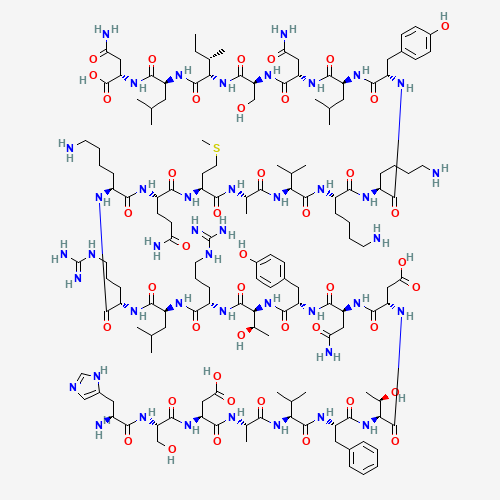
Structure of the compound covered in this guide.
Last reviewed: October 2026 · Cleared Peptides research team
Research use only. VIP (Vasoactive Intestinal Peptide): Research Guide is supplied for laboratory research. It is not a drug, food, cosmetic, or dietary supplement. It is not FDA-approved. It is not for human or veterinary administration. This page does not give a dose or a method of administration. A study cited on this page describes that study’s own test article. It does not make this lot an approved medicine. To check a fact, open the PubMed or DOI link, confirm the authors and year, and match the paper’s compound name, CAS number, or sequence to the specification table. The full method is on the research desk page. Identity and purity for a lot are only what that lot’s certificate of analysis reports. An HPLC percentage is not a sterility result and not an endotoxin result unless the certificate prints those tests.
Vasoactive intestinal peptide (VIP) is a 28-amino-acid amidated neuropeptide first isolated from porcine intestine by Said and Mutt in 1970. It belongs to the secretin/glucagon peptide family, which also includes PACAP, and is a standard ligand in VPAC receptor research.
VIP Structure and Identifiers
| Name | VIP (human) |
|---|---|
| CAS number | 40077-57-4 |
| PubChem CID | 16132300 |
| Molecular formula | C147H237N43O43S |
| Molecular weight | ≈3325.8 g/mol |
| Length | 28 amino acids, C-terminal amide |
| Form | Lyophilized powder |
Receptors
VIP binds two class B GPCRs, VPAC1 and VPAC2, with similar affinity, and PAC1 with lower affinity. Activation couples mainly to Gs and cAMP production, making VIP a reference agonist in cAMP-signaling assays.
Published In-Vitro Research Areas
- VPAC1/VPAC2 binding and cAMP assays
- Neuroimmune and cytokine-expression studies
- Peptide-stability and analog design
This summary describes laboratory research only and makes no claim about effects in humans or animals.
Purity Testing and Storage
Every lot of VIP supplied by Cleared Peptides is tested by an independent laboratory for identity and purity (or composition, for multi-component preparations), and the lot Certificate of Analysis is published on our COA page. Store lyophilized VIP at −20 °C, sealed, dry and protected from light. Allow the vial to reach room temperature before opening and minimize freeze–thaw cycles. Handle according to your institution’s chemical-hygiene procedures.
Research materials referenced in this guide
Analytical testing notes for VIP (human)
VIP (human) is identified in this guide as CAS 40077-57-4, formula C147H237N43O43S, listed mass ≈3325.8 g/mol. An identity test compares a measurement with those values. A mass spectrum is the usual measurement for a peptide. FTIR, when a certificate uses it, is a supporting infrared fingerprint and is less specific for closely related sequences.
For VIP (human), routine chemical characterization is reversed-phase HPLC for area-percent purity and mass spectrometry for identity against the formula and mass in the table above. Oxidizable residues (cysteine, methionine, tryptophan) and deamidating residues (asparagine, glutamine), when the sequence contains them, are typical related-impurity questions for the chromatogram and the mass spectrum.
HPLC purity for this material is an area-percent result at the wavelength and gradient the laboratory states, commonly ultraviolet detection near 214 nm on a reversed-phase column. The instrument is a gradient pump, injector, column oven, and UV or diode-array detector. That percentage is not the number of milligrams in the vial. Water, acetate, trifluoroacetate, and other UV-silent material can dominate the gross weight while the purity figure stays high. Net peptide content, from an assay or amino-acid analysis, is the separate result to read when the certificate reports it.
A sterility test and an endotoxin test are not included in a chemical purity result. The compendial sterility test is a culture method (USP <71>): membrane filtration or direct inoculation into fluid thioglycollate medium and soybean-casein digest medium, incubated for 14 days. A PCR sterility screen uses a thermal cycler to detect microbial DNA and is a different method. The endotoxin test (USP <85> LAL, or USP <86> recombinant Factor C) reports endotoxin units with an incubating reader or a cartridge reader. Use a result only when that method is printed on the lot certificate. One published example in this catalog states that the report does not cover microbial contamination or endotoxins. The full description of equipment, standards, and how US laboratory accreditation works is in peptide analytical testing. Lot records are on the COA page.
Frequently Asked Questions
What family does VIP belong to?
The secretin/glucagon superfamily of peptides, together with PACAP, secretin and GHRH.
Is VIP for human use?
No. Cleared Peptides supplies VIP for laboratory research use only; it is not for human or veterinary use.
Selected References
Peer-reviewed literature on the compounds discussed in this guide, listed as scientific background for laboratory researchers. Citation does not imply endorsement by the authors or any use other than in-vitro research.
- Christophe J, et al. Vasoactive intestinal peptide receptors in pancreas and liver. Structure-function relationship. Ann N Y Acad Sci. 1988;527:238-56. PubMed 2839079 · DOI
Laboratory note: solubility depends on salt form and solvent. This guide does not state a single solubility figure. Handling of lyophilized material is described in the peptide storage guide.
Research Use Only Notice
This guide is provided for educational and laboratory reference purposes. It summarizes published, primarily in-vitro and structural research literature and does not describe, recommend or imply any use in humans or animals. Products sold by Cleared Peptides are for laboratory research use only; they are not drugs, foods, cosmetics or dietary supplements, are not FDA-approved, and are not intended to diagnose, treat, cure, mitigate or prevent any disease. No dosing, administration or therapeutic information is provided.
